
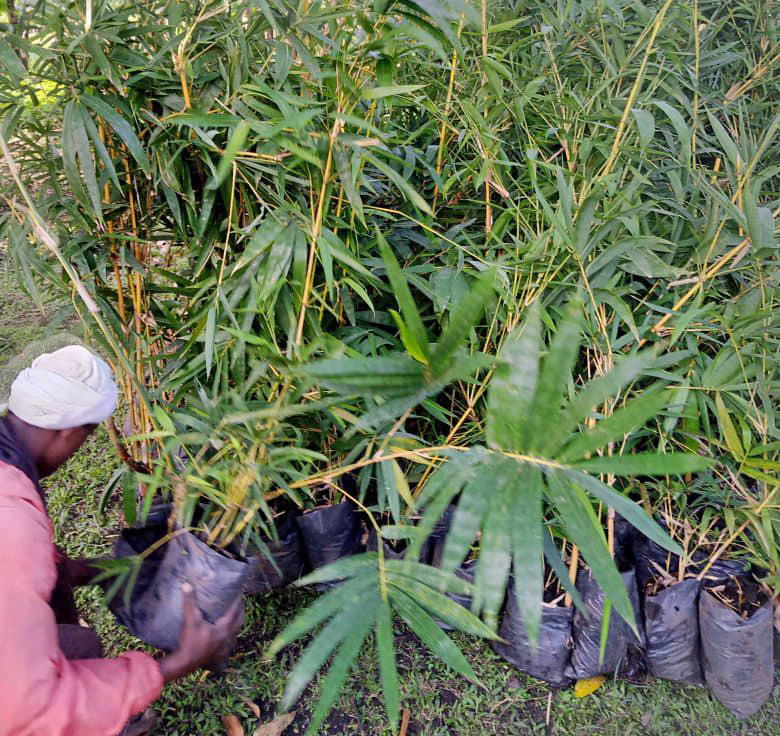
This project focuses on reforestation using endangered indigenous species, such as Prunus Africana, Artocarpus heterophyllus, and Annona muricata, which not only hold medicinal and cultural significance but also contribute to carbon sequestration, erosion control, and biodiversity enhancement. Community engagement is central, with the establishment of nursery beds and agroforestry demonstration gardens to support sustainable land use and environmental education. Through innovative planting methods and inclusive participation from school children, farmers, women, and youth, the project aims to reforest over 2,700 acres across three districts: Kyenjojo, Kassanda, Ntoroko, and Kyegegwa, planting around 540,000 trees. Alongside boosting food production and local incomes, particularly through integrated farming and apiary development, the initiative will contribute directly to the achievement of multiple Sustainable Development Goals, particularly those focused on climate action, education, poverty reduction, WASH and health.